Neuroimaging and Cannabis: What Brain Scans Actually Show
What do fMRI, PET, and EEG scans reveal about cannabis and your brain? We break down the real neuroscience behind the headlines.

Your Brain on Cannabis: Beyond the Fried Egg
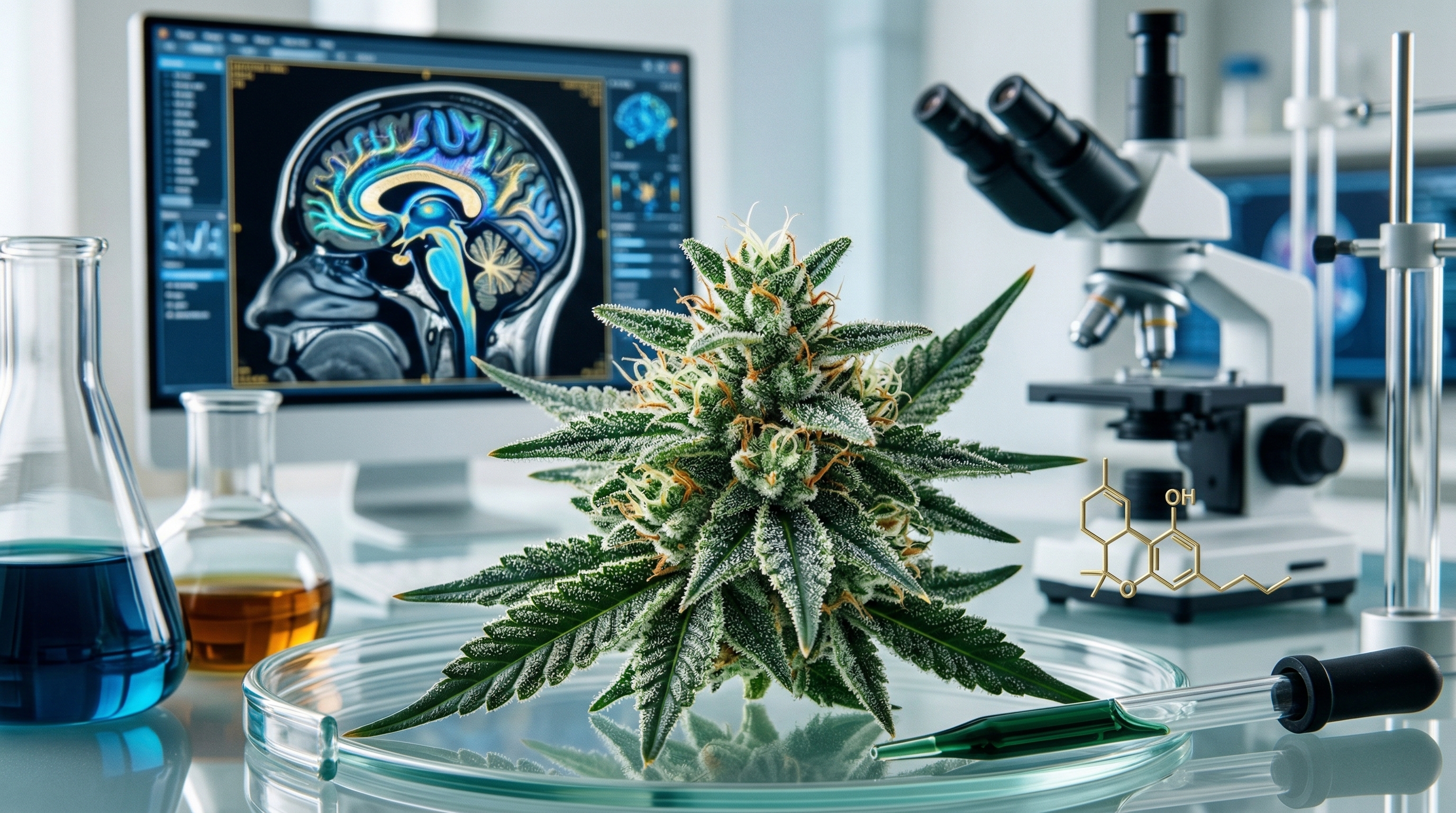
Remember the infamous “This is your brain on drugs” PSA from the late 1980s – a sizzling egg in a frying pan, meant to represent the devastation drugs supposedly wreak on your brain? It was simple, scary, and scientifically… not very useful. Decades later, we have something far more powerful than a frying pan analogy: we have actual brain scans.
Neuroimaging technology has advanced dramatically since those early anti-drug campaigns. Today, researchers can watch the brain light up in real time as THC and other cannabinoids interact with neural circuits. They can map blood flow changes, track neurotransmitter activity, and measure structural differences between brains with varying levels of cannabis exposure. The picture that emerges is far more nuanced – and far more interesting – than any fried egg.
Here’s the thing: neuroimaging studies on cannabis often get reduced to alarming headlines (“Cannabis Shrinks Your Brain!”) or overly enthusiastic ones (“Weed Makes Your Brain More Creative!”). The reality, as usual, lives somewhere in between. Brain scans show us correlations, not always causation. They reveal patterns, not simple verdicts. And understanding what these scans actually show can help you make better, more informed decisions about your own cannabis use.
In this deep dive, we’re going to walk through the major neuroimaging techniques scientists use to study cannabis, what the most significant studies have found, where the science is still uncertain, and what all of it means for you as a cannabis consumer. If you’ve already explored how cannabis affects memory or wondered whether cannabis really kills brain cells, this piece connects the dots with the imaging evidence behind those claims.
Let’s look inside the brain – no frying pan required.
The Science Explained
How Neuroimaging Works
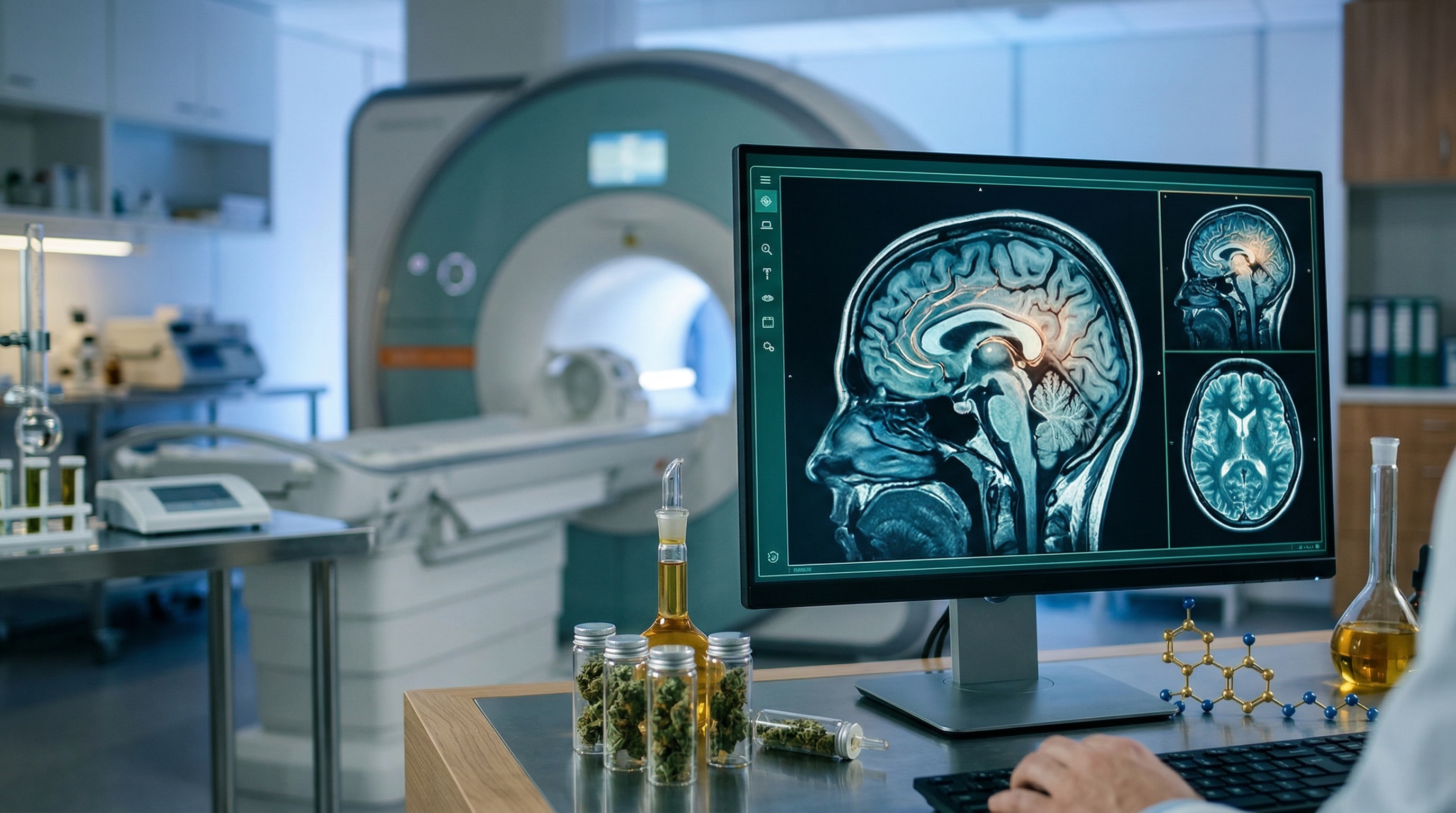
Before we talk about what brain scans show, let’s quickly cover how they work. There are several neuroimaging techniques, and each tells us something different about the brain. Think of them like different camera lenses – same subject, different perspectives.
fMRI (Functional Magnetic Resonance Imaging) is the workhorse of cannabis neuroimaging research. It measures changes in blood flow throughout the brain. When a brain region becomes more active, it demands more oxygen-rich blood. fMRI detects this change through what’s called the BOLD (blood-oxygen-level-dependent) signal, producing those colorful “brain maps” you’ve probably seen in news articles. Imagine a heat map of a city showing where traffic is heaviest – that’s essentially what fMRI does for brain activity.
PET (Positron Emission Tomography) scans go a step further by tracking specific molecules in the brain. Researchers inject a small amount of a radioactive tracer that binds to particular receptors – like CB1 cannabinoid receptors. This allows scientists to literally see where cannabinoid receptors are concentrated and how their availability changes with cannabis use [Hirvonen et al., 2012].
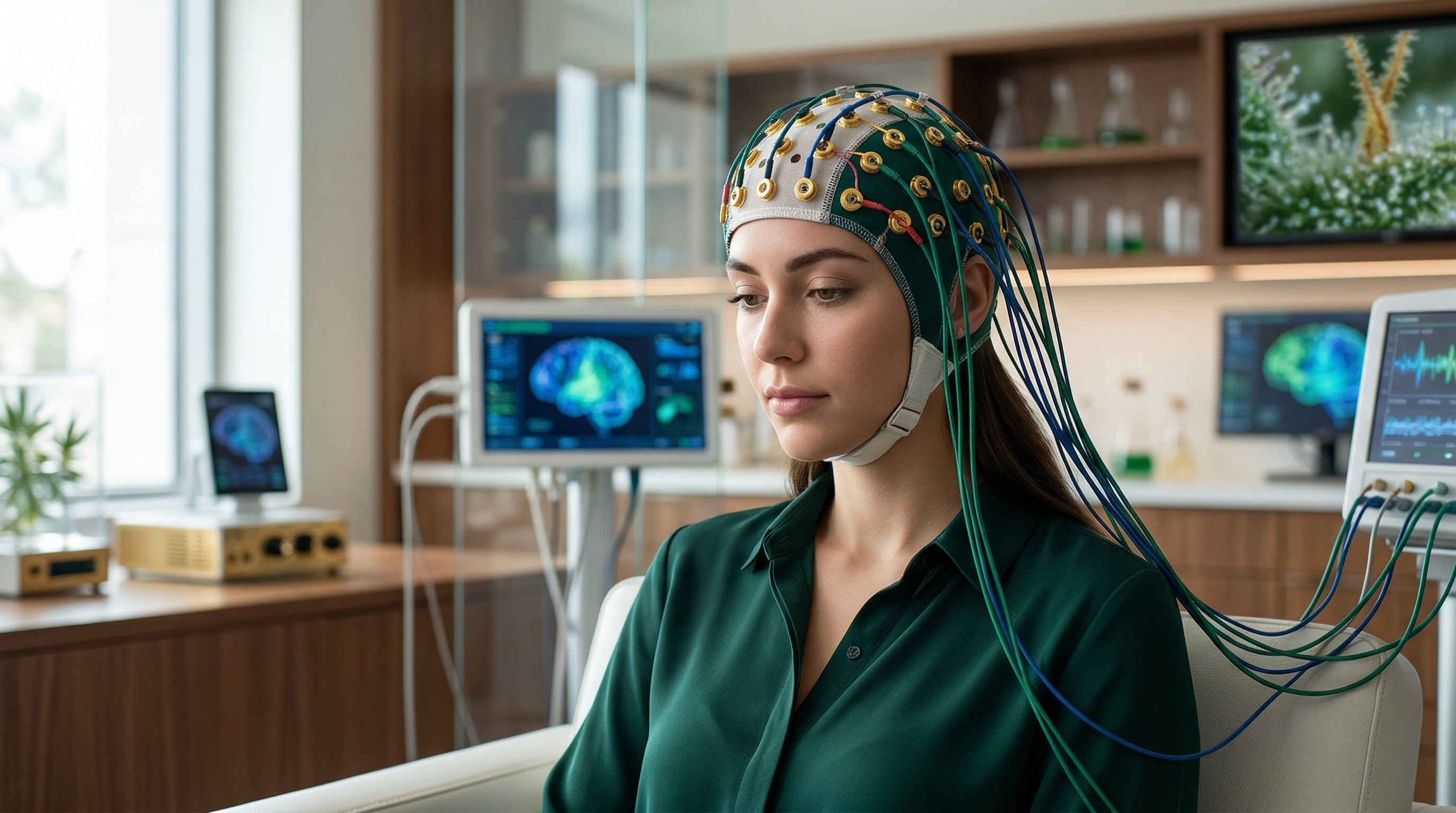
EEG (Electroencephalography) measures electrical activity across the scalp. It’s less spatially precise than fMRI, but it captures brain activity with millisecond timing. This makes it excellent for studying how cannabis affects brain waves – the rhythmic electrical patterns associated with different mental states like alertness, relaxation, or sleep.
Structural MRI captures detailed images of brain anatomy, allowing researchers to measure the volume and shape of different brain regions. This is how scientists investigate whether long-term cannabis use is associated with any physical changes to brain structures.
Each technique has strengths and limitations. fMRI is great at showing where activity changes but less precise about what’s happening chemically. PET scans reveal receptor-level detail but involve radiation exposure, limiting how often they can be used. Understanding these trade-offs is key to interpreting cannabis neuroimaging research without jumping to conclusions.
What the Research Shows: Blood Flow and Brain Activity
One of the most consistent findings in cannabis neuroimaging is that THC increases cerebral blood flow (CBF), particularly in the frontal and temporal regions of the brain. A landmark study using arterial spin labeling MRI found that THC significantly increased blood flow to the prefrontal cortex – the brain’s executive control center – and to the insula, a region involved in body awareness and emotional processing [Martin-Santos et al., 2010].
This increased frontal blood flow may help explain the introspective, sometimes hyper-aware mental state many cannabis consumers report. Your prefrontal cortex is where you plan, evaluate, and reflect. When it’s flooded with extra blood flow, it’s working overtime – which might feel like deep thinking, or in some cases, overthinking and anxiety.
Interestingly, CBD appears to have partially opposite effects on brain activity compared to THC. In a double-blind, placebo-controlled fMRI study, researchers found that CBD modulated activity in the amygdala and cingulate cortex during emotional processing tasks in ways that were distinct from – and sometimes counteractive to – THC [Bhattacharyya et al., 2010]. This is one of the strongest pieces of neuroimaging evidence supporting the idea that CBD may buffer some of THC’s more anxiety-provoking effects. For a deeper comparison of these two cannabinoids, see our THC vs. CBD guide.
What the Research Shows: The Default Mode Network
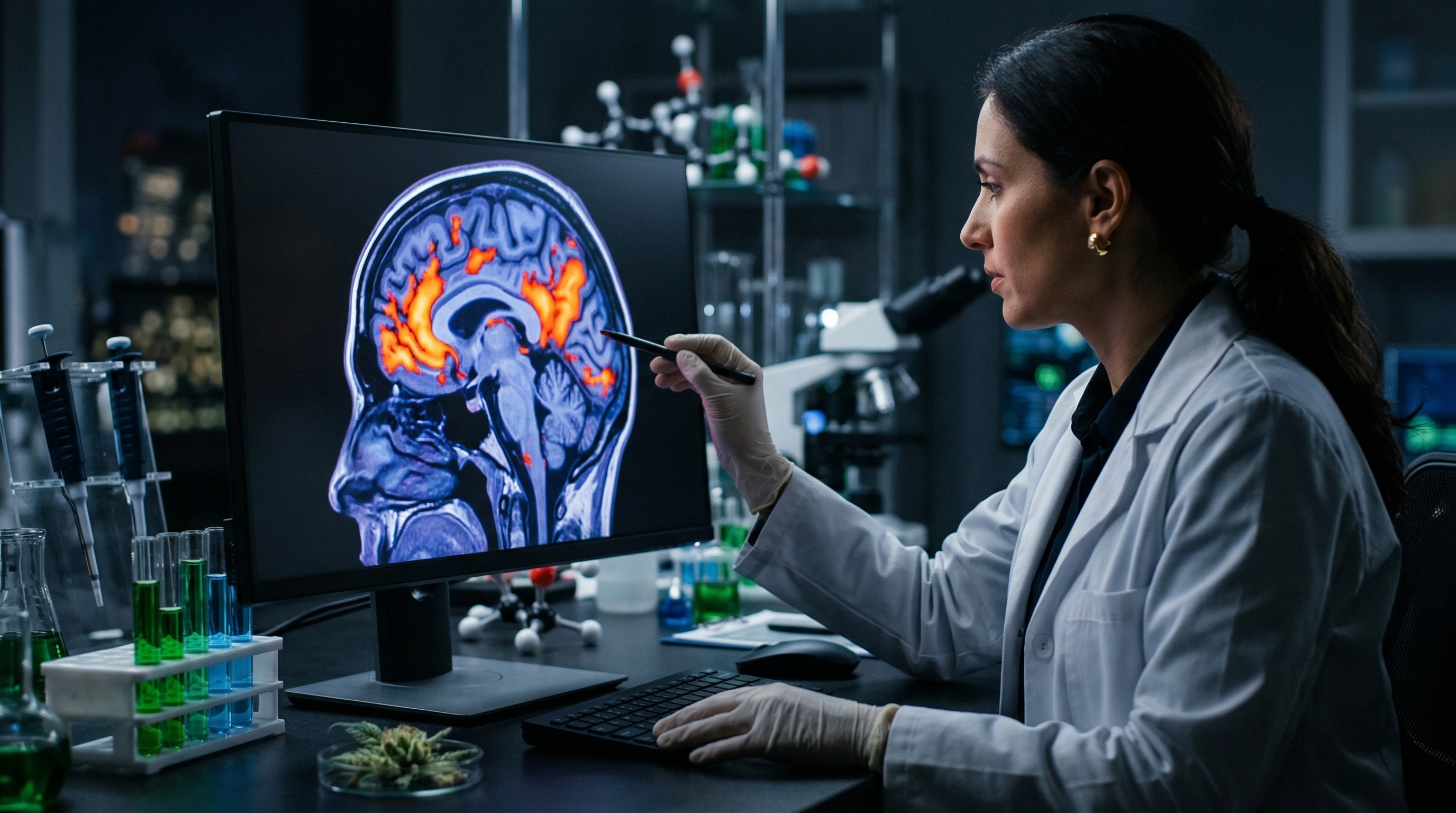
One of the most fascinating areas of cannabis neuroimaging research involves the default mode network (DMN) – a set of interconnected brain regions that become active when you’re not focused on a specific task. The DMN is associated with mind-wandering, daydreaming, self-reflection, and the internal narrative you experience when your mind drifts.
A study published in PLOS ONE found that THC reduced hyperconnectivity within the DMN while increasing the anticorrelation between the DMN and the executive control network (ECN) [Bossong et al., 2013]. In simpler terms, THC appears to alter how your brain’s “idle mode” communicates with its “task mode.” This may explain the common cannabis experience of simultaneously feeling deeply reflective and finding it harder to stay on task.
Resting-state fMRI research has also shown that chronic cannabis users demonstrate weaker connectivity between key DMN nodes, including the posterior cingulate cortex (PCC) and medial prefrontal cortex, compared to non-users [Pujol et al., 2014]. However, a 2025 study in Frontiers in Adolescent Medicine found that after two weeks of monitored abstinence, many of these connectivity differences began to normalize – especially in young adults – suggesting these changes are at least partially reversible.
This line of research connects directly to why cannabis can make music sound better or why it enhances creative thinking for some users: by shifting the balance between default-mode and executive networks, cannabinoids may open the door to unusual associations and heightened sensory awareness.
What the Research Shows: The Endocannabinoid System on Camera
PET imaging has given us a remarkable window into the endocannabinoid system (ECS) – the body’s built-in network of receptors that cannabinoids interact with. Using radiotracers that bind to CB1 receptors, researchers have confirmed that these receptors are densely concentrated in the hippocampus (memory), cerebellum (coordination), basal ganglia (movement), and prefrontal cortex (decision-making) [Burns et al., 2007].
This receptor map neatly explains many of cannabis’s well-known effects. Short-term memory hiccups? That’s the hippocampus. Altered coordination? Cerebellum. The tendency to get lost in thought or make unusual mental connections? Prefrontal cortex.
One particularly significant PET study by Hirvonen et al. (2012) found that chronic, heavy cannabis users showed approximately 20% decreased CB1 receptor availability across multiple brain regions compared to non-users – particularly in the neocortex and limbic cortex. In other words, regular heavy use appeared to lead to a downregulation of the very receptors that THC acts on. The encouraging news? After just 28 days of abstinence, CB1 receptor availability returned to near-normal levels in most brain regions [Hirvonen et al., 2012]. This suggests that tolerance – and its reversal – has a clear, observable neurobiological basis.
This finding aligns perfectly with what many experienced consumers already know intuitively: taking a tolerance break works. The neuroimaging data shows us why it works at the receptor level.
A 2023 systematic review of PET studies published in the Journal of Psychiatric Research synthesized findings across three major themes: dopamine system abnormalities, endocannabinoid system changes with lower CB1 receptor availability, and reduced glucose metabolism in specific brain regions [Colizzi et al., 2023]. Notably, PET research has also shown that THC produces a modest increase in dopamine release in the ventral striatum – the brain’s reward center – though the effect is smaller than what’s observed with many other substances.
What the Research Shows: Brain Structure and Long-Term Use
Perhaps the most debated area of cannabis neuroimaging involves structural brain changes. Some studies have reported that heavy, long-term cannabis use is associated with reduced gray matter volume in the orbitofrontal cortex [Filbey et al., 2014], while others have found increased connectivity between certain brain regions in regular users, potentially as a compensatory mechanism.
However – and this is critical – most of these structural studies are cross-sectional, meaning they capture a single snapshot in time. They can tell us that heavy cannabis users’ brains look different from non-users’ brains, but they cannot tell us whether cannabis caused those differences. It’s entirely possible that people with certain pre-existing brain characteristics are more likely to use cannabis heavily. This is the classic correlation-versus-causation problem, and it’s one that many headlines conveniently ignore.
The ABCD Study (Adolescent Brain Cognitive Development) – the largest longitudinal study of brain development in the United States, tracking nearly 12,000 youth with repeated MRI scans – has begun to deliver more definitive answers. A December 2024 analysis of 9,804 children scanned at ages 9-11 and followed for three years found regionally specific differences in cortical thickness and surface area among early substance initiators, but the researchers emphasized that pre-existing brain structure differences may predispose certain adolescents toward substance use, rather than the substances causing the changes [NIDA, 2024]. A 2025 follow-up found that cortical thickness was lower in years when individual participants’ cannabis use exceeded their own average level – a within-person finding that more strongly suggests a causal link, at least during active adolescent use.
For adult consumers, the structural evidence is more reassuring. A well-controlled 2015 study that carefully matched cannabis users and non-users on factors like alcohol use and other demographics found no significant differences in brain volume or shape after accounting for confounding variables [Weiland et al., 2015]. Meanwhile, a 2024 study using UK Biobank data with repeated MRI measures found that while older cannabis users had smaller total brain volumes compared to non-users, cannabis use was paradoxically associated with a slower rate of decline in total brain and cortical grey matter volumes over time [Vered et al., 2024]. This connects to the emerging research on cannabinoids and neuroprotection.
What the Research Shows: Brain Waves and Electrical Activity
EEG research adds another layer to the picture. Studies have consistently shown that THC alters alpha and theta brain wave patterns. Alpha waves (8-12 Hz) are associated with relaxed wakefulness, while theta waves (4-8 Hz) are linked to drowsiness, meditation, and creative states.
Cannabis tends to increase theta activity and modulate alpha rhythms, which may correspond to the relaxed, somewhat dreamy state many consumers experience [Ilan et al., 2004]. This shift in brain wave patterns is also consistent with why some people find cannabis helpful for winding down – and why strains in the Relaxing High family, rich in myrcene and sometimes paired with CBD, tend to produce the deepest shifts toward that calm, theta-dominant state.
Conversely, strains in the Energetic High family – characterized by terpinolene and ocimene – may interact with these brain wave patterns differently, though specific EEG research on individual terpene profiles remains limited. A 2024 study in Neuropsychopharmacology comparing resting-state brain networks after exposure to different types of cannabis (high-THC vs. balanced THC:CBD) in adolescents and young adults found that CBD attenuated some of THC’s effects on neural network connectivity – further supporting the entourage effect at the brain network level.
Practical Implications
What This Means for Your Cannabis Experience
So what does all this neuroimaging data mean for you, the person actually consuming cannabis? Here are some practical connections:
Tolerance breaks have real neuroscience behind them. The PET scan evidence showing CB1 receptor downregulation – and its reversal after about a month – gives you a concrete reason to consider periodic breaks if you feel your cannabis isn’t hitting the way it used to. Even a shorter break of a week or two may help, though the full receptor recovery timeline appears to be around 28 days [Hirvonen et al., 2012]. Our complete tolerance break guide covers the strategy in detail.
CBD isn’t just marketing hype. The fMRI evidence showing that CBD modulates brain activity differently from THC – particularly in anxiety-related regions like the amygdala – supports the idea that cannabinoid ratios genuinely matter. If you find that high-THC products sometimes cause anxiety, looking for products with a balanced THC:CBD ratio, or exploring strains in the Balancing High family, has a neurobiological rationale. Learn more about the differences in our THC vs. CBD breakdown.
The default mode network explains a lot. That feeling of deep self-reflection, mind-wandering, or sudden creative connections while high? It likely reflects THC’s modulation of DMN connectivity. Understanding this can help you choose the right setting for your session – introspective activities like journaling, meditation, or listening to music may align better with these brain state changes than tasks requiring focused executive function.
Terpenes likely influence the picture, too. While most neuroimaging studies have focused on THC and CBD in isolation, the High Families framework is built on the understanding that terpene profiles shape your experience. The brain wave research showing different patterns of neural activity under cannabis aligns with what terpene science suggests: that a myrcene-dominant Relaxing High strain produces a fundamentally different brain state than a limonene-rich Uplifting High strain. We’re still waiting for neuroimaging studies that specifically compare terpene profiles, but the existing evidence strongly supports the entourage effect concept [Russo, 2011].
Age matters. The neuroimaging evidence regarding adolescent brain development is among the most consistent in the field. The ABCD Study data reinforces that the developing brain responds differently to cannabis. If you’re an adult consumer, the structural data is largely reassuring – especially with moderate use. But the science clearly suggests that regular use during adolescence, when the brain is still under construction, carries greater risk of impacting neural development and plasticity.
Don’t panic about headlines. Many sensational claims about cannabis and brain damage come from poorly controlled studies, small sample sizes, or cross-sectional designs that can’t establish causation. When you see a scary headline, ask: How many participants? Was it longitudinal or cross-sectional? Did they control for alcohol and other variables? The best studies paint a far more nuanced picture than most media coverage suggests.
Key Takeaways
The bottom line from neuroimaging research:
- THC increases blood flow to frontal brain regions, which may explain the introspective and sometimes anxiety-provoking effects of cannabis. CBD appears to modulate activity in opposing ways, supporting its potential role as a buffer.
- THC modulates the default mode network, shifting the balance between mind-wandering and task-focused brain states – explaining the reflective, creatively associative quality of the cannabis experience.
- CB1 receptors downregulate with heavy use but recover after approximately 28 days of abstinence – tolerance breaks have clear neurobiological support.
- Structural brain changes in adult users are minimal when studies properly control for confounding factors. The adolescent brain, however, appears more vulnerable based on ABCD Study data.
- Brain wave patterns shift under cannabis, with increased theta activity consistent with relaxation and altered awareness – effects that likely vary by terpene profile and High Family.
- Most neuroimaging studies show correlations, not causation. Always look at study design before drawing conclusions from headlines.
FAQs
Does cannabis permanently damage the brain?
The neuroimaging evidence in adult users does not support the idea of permanent brain damage from moderate cannabis use. While heavy, chronic use is associated with CB1 receptor downregulation and some functional changes, these appear to be largely reversible with abstinence [Hirvonen et al., 2012]. PET scans show receptor availability returning to near-normal levels within a month. The picture is more concerning for adolescents, where developing brains may be more susceptible to lasting effects on cortical thickness. For a thorough examination of this topic, see our article on whether cannabis kills brain cells.
Can brain scans tell if someone has used cannabis?
Not in the way you might think. While fMRI and PET scans can detect patterns of brain activity or receptor availability that differ between users and non-users at a group level, they cannot reliably identify an individual cannabis user from a single scan. Neuroimaging is a research tool, not a diagnostic test for cannabis use.
What does cannabis do to the default mode network?
THC reduces hyperconnectivity within the DMN and alters how it communicates with the executive control network. This may explain the reflective, introspective quality of the cannabis experience – your mind-wandering network shifts its relationship with your task-focused network. These changes appear to normalize after periods of abstinence, particularly in young adults.
Do indica and sativa strains show different brain activity?
There’s currently no neuroimaging research that validates the traditional indica/sativa distinction at the brain level. This isn’t surprising, since the indica/sativa classification is based on plant morphology, not chemistry. The High Families system, which classifies strains by their terpene and cannabinoid profiles, offers a more scientifically grounded framework for predicting how a strain might affect your brain and body. A 2024 fMRI study comparing high-THC cannabis to balanced THC:CBD cannabis did show distinct brain network effects, supporting the idea that chemical profile matters more than strain label.
Does CBD actually do anything to the brain?
Yes – and we have the brain scans to support it. fMRI studies show that CBD modulates activity in brain regions involved in anxiety and emotional processing, including the amygdala and prefrontal cortex [Bhattacharyya et al., 2010]. A 2024 study in traumatic brain injury patients found that CBD promoted neuronal preservation and reduced cortical tissue degeneration. These effects are distinct from THC and may help explain why balanced-ratio products feel different from high-THC ones. Learn more in our CB1 vs. CB2 receptor guide.
How does cannabis affect dopamine in the brain?
PET imaging studies show that THC produces a modest increase in dopamine release in the ventral striatum (the brain’s reward center), primarily in the limbic portion. However, this effect is considerably smaller than what’s observed with substances like amphetamines or cocaine. Cannabis’s dopamine effects may contribute to the pleasant, rewarding feeling of being high, but the neuroimaging evidence does not support the oversimplified “dopamine flood” narrative sometimes applied to all psychoactive substances.
Sources
-
Bhattacharyya, S. et al. (2010). “Opposite effects of delta-9-tetrahydrocannabinol and cannabidiol on human brain function and psychopathology.” Neuropsychopharmacology, 35(3), 764-774. DOI: 10.1038/npp.2009.184
-
Bossong, M.G. et al. (2013). “Default mode network in the effects of delta-9-tetrahydrocannabinol (THC) on human executive function.” PLOS ONE, 8(7), e70074. DOI: 10.1371/journal.pone.0070074
-
Burns, H.D. et al. (2007). “[18F]MK-9470, a positron emission tomography (PET) tracer for in vivo human PET brain imaging of the cannabinoid-1 receptor.” Proceedings of the National Academy of Sciences, 104(23), 9800-9805. DOI: 10.1073/pnas.0703472104
-
Colizzi, M. et al. (2023). “Molecular brain differences and cannabis involvement: A systematic review of positron emission tomography studies.” Journal of Psychiatric Research, 163, 314-328. DOI: 10.1016/j.jpsychires.2023.05.048
-
Filbey, F.M. et al. (2014). “Long-term effects of marijuana use on the brain.” Proceedings of the National Academy of Sciences, 111(47), 16913-16918. DOI: 10.1073/pnas.1415297111
-
Hirvonen, J. et al. (2012). “Reversible and regionally selective downregulation of brain cannabinoid CB1 receptors in chronic daily cannabis smokers.” Molecular Psychiatry, 17(6), 642-649. DOI: 10.1038/mp.2011.82
-
Ilan, A.B. et al. (2004). “Attentional bias for cannabis cues in cannabis users: An EEG study.” Psychopharmacology, 174(2), 270-277.
-
Jacobus, J. et al. (2015). “Functional consequences of marijuana use in adolescents.” Pharmacology Biochemistry and Behavior, 129, 91-99. DOI: 10.1016/j.pbb.2014.12.001
-
Martin-Santos, R. et al. (2010). “Neuroimaging in cannabis use: A systematic review of the literature.” Psychological Medicine, 40(3), 383-398. DOI: 10.1017/S0033291709990729
-
NIDA (2024). “Brain structure differences are associated with early use of substances among adolescents.” National Institute on Drug Abuse.
-
Pujol, J. et al. (2014). “Functional connectivity alterations in brain networks relevant to self-referential processing in chronic cannabis users.” Journal of Psychiatric Research, 51, 68-78.
-
Russo, E.B. (2011). “Taming THC: Potential cannabis synergy and phytocannabinoid-terpenoid entourage effects.” British Journal of Pharmacology, 163(7), 1344-1364. DOI: 10.1111/j.1476-5381.2011.01238.x
-
Vered, M. et al. (2024). “The association between cannabis use and neuroimaging measures in older adults: Findings from the UK Biobank.” Alzheimer’s & Dementia, 20(S4). DOI: 10.1002/alz.090279
-
Weiland, B.J. et al. (2015). “Daily marijuana use is not associated with brain morphometric measures in adolescents or adults.” Journal of Neuroscience, 35(4), 1505-1512. DOI: 10.1523/JNEUROSCI.2946-14.2015


