Flower, Edibles, or Concentrates: How to Choose
Compare cannabis flower, edibles, and concentrates side by side. Find the right method for your experience level, lifestyle, and goals.

Professor High
Your friendly cannabis educator, bringing science-backed knowledge to the community.
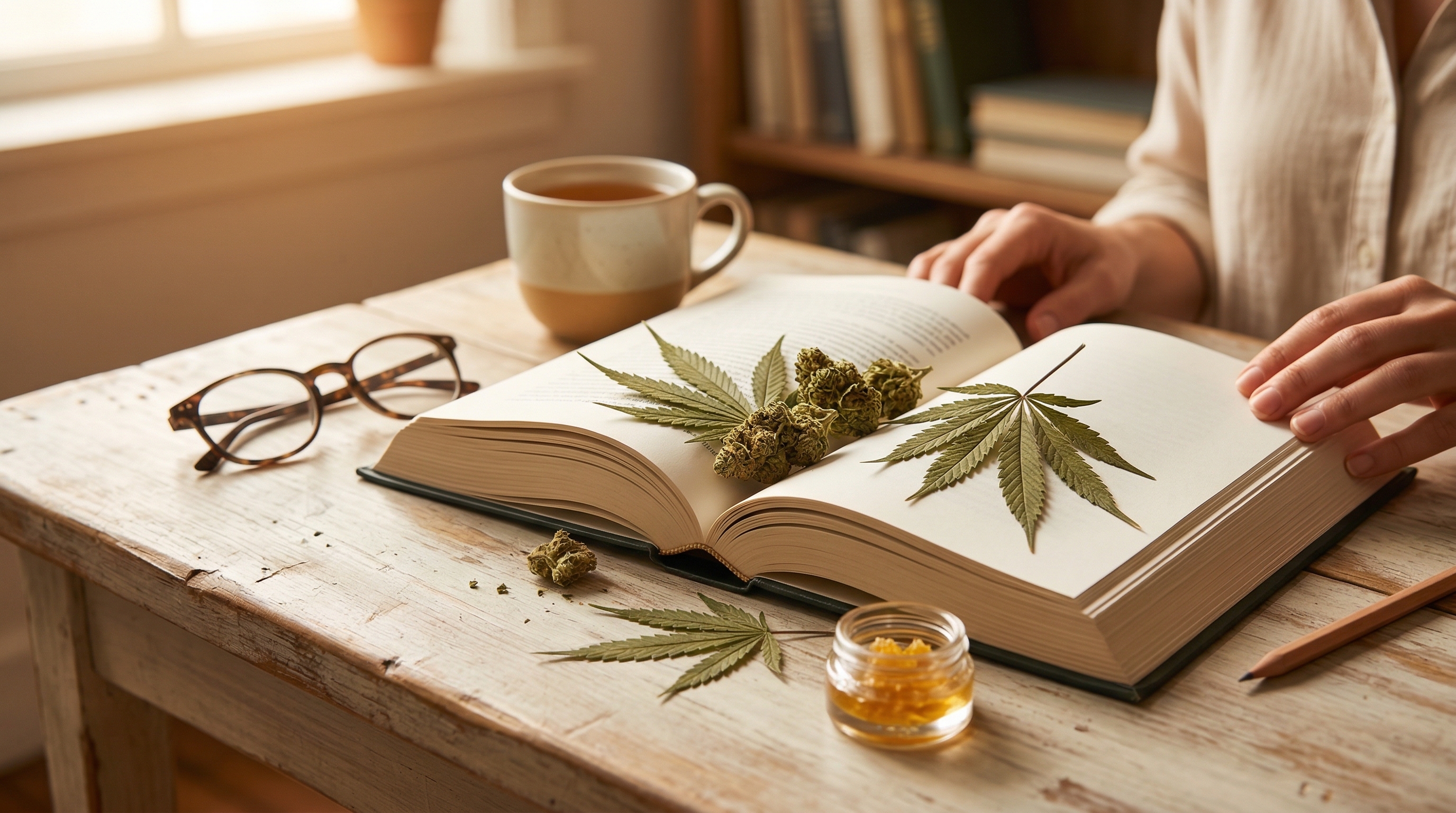
You’re at the dispensary counter. The budtender asks: “Flower, edibles, or concentrates?” If that question makes you freeze, you’re not alone. These three categories are very different ways to consume cannabis—and the gap between them is huge.
This is not a small choice. Each method sends cannabinoids into your body through a different path. That means the onset time, duration, strength, and overall feel change a lot between them—even with the same strain or High Family.
A low-dose gummy before a dinner party is nothing like a dab of live rosin on a lazy Saturday. This guide breaks down all three options with real data so you can pick the right one—or mix and match.
Quick Comparison
| Factor | Flower | Edibles | Concentrates |
|---|---|---|---|
| Onset Time | 1–5 minutes | 30 min–2 hours | Seconds–5 minutes |
| Duration | 1–3 hours | 4–8+ hours | 1–3 hours |
| Bioavailability | 10–35% | 4–20% | 40–60% |
| Potency Control | Moderate | Easy (dosed) | Difficult (high potency) |
| Flavor/Aroma | Full terpene expression | Varies widely | Intense terpene profiles |
| Discretion | Low (smoke/smell) | High (no odor) | Moderate (vapor) |
| Beginner Friendly | Yes | Yes (low dose) | Caution advised |
| Equipment Needed | Pipe, papers, or vaporizer | None | Dab rig or vape pen |
| Best For | Classic ritual, social use | Long-lasting relief, discretion | Experienced users, fast relief |
| Avoid If | Sensitive to smoke/smell | Impatient or unpredictable schedule | New to cannabis |
The bioavailability row matters most. It shows how much of what you consume actually reaches your blood. For the full breakdown, see our complete bioavailability ranking.
Deep Dive: Flower
What It Is
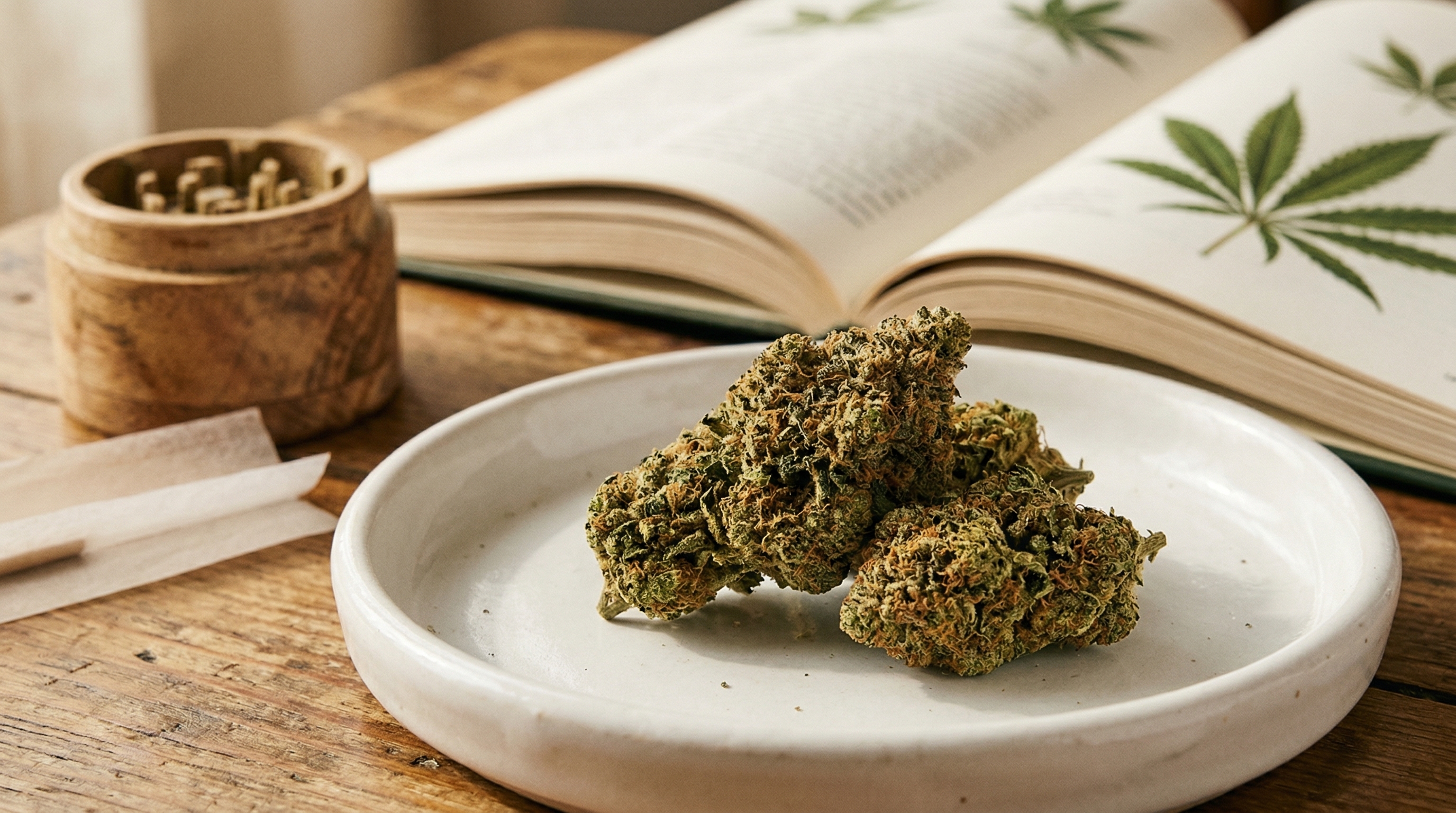
Flower is the dried, cured bud of the cannabis plant—the OG method that’s been around for centuries. When people think of cannabis, they think of flower. It comes in many strains, each with its own blend of cannabinoids and terpenes that shape which High Family it belongs to.
How It Works
When you smoke or vaporize flower, THC and CBD pass through your lungs and hit your blood fast. Studies show this route delivers 10–35% of the THC to your system [Huestis, 2007]. You feel it in minutes. That makes it easy to control your dose: take a puff, wait, then decide if you want more.
The entourage effect is strongest with flower. You get the plant’s full mix of cannabinoids, terpenes, and flavonoids together—nothing stripped out.
Pros
- Full terpene flavor—you taste and smell the whole plant
- Quick onset lets you adjust your dose on the spot
- Wide variety of strains across every High Family
- Cheap to start—often the lowest cost per session
- Social and fun—rolling a joint or packing a bowl is part of the culture
Cons
- Smoke irritation—burning creates tar and irritants (vaping cuts this way down)
- Strong odor makes it the least discreet option
- Shorter duration compared to edibles
- Needs gear like papers, a pipe, or a dry-herb vape
Ideal Use Cases
Flower is great if you love the ritual of smoking, want full terpene flavor, or need to dial in your dose on the fly. It’s a solid pick for beginners because the fast onset is forgiving—you can stop when you feel right.
Deep Dive: Edibles
What They Are
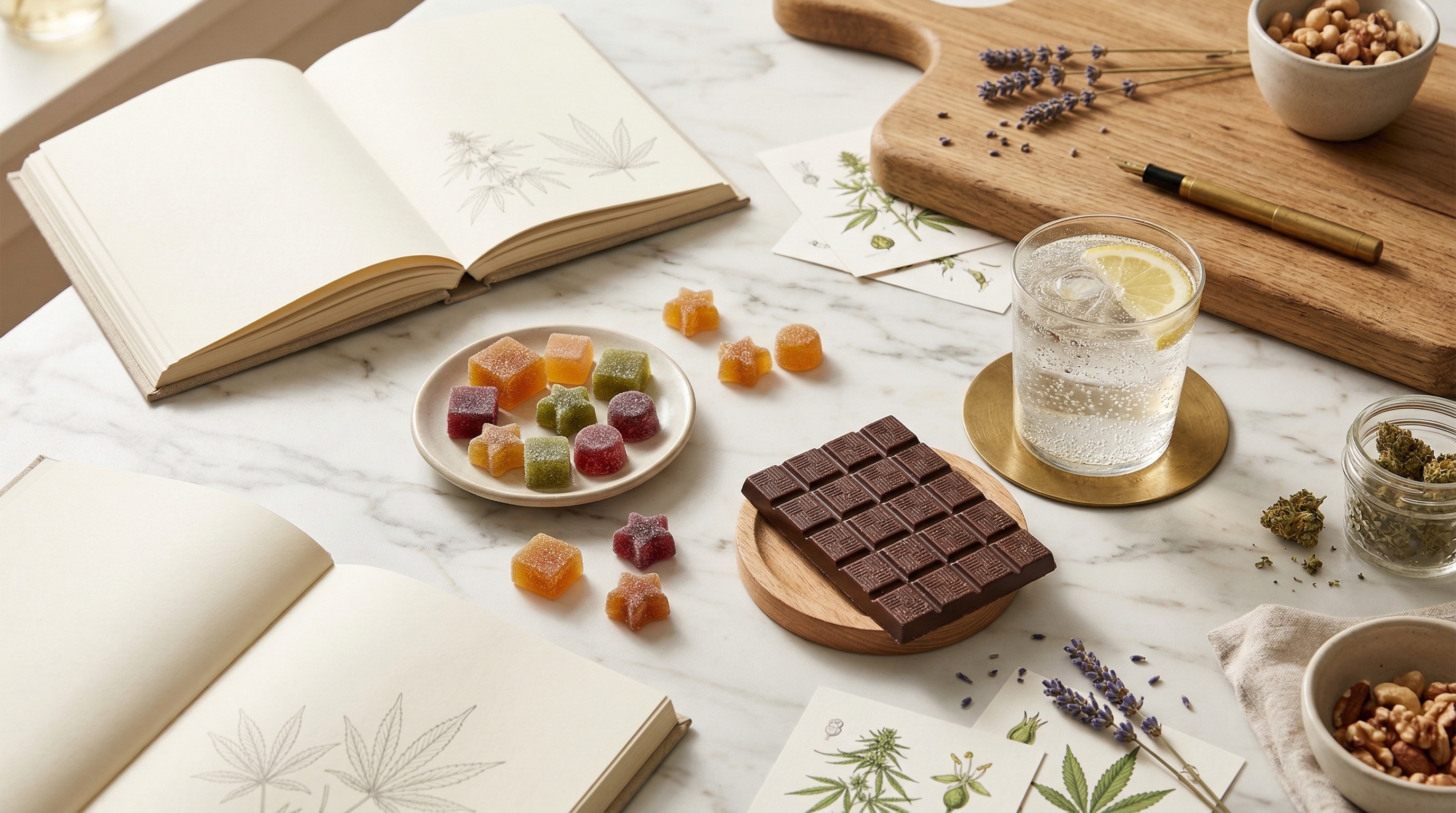
Edibles are cannabis-infused foods and drinks—gummies, chocolates, beverages, baked goods, mints, and more. Modern edibles come in set doses (usually 5mg or 10mg THC per piece). That makes them one of the most controlled ways to use cannabis.
How They Work
When you eat an edible, THC goes through your gut and liver. Your liver turns it into 11-hydroxy-THC—a form that reaches your brain more easily than smoked THC [Huestis, 2007]. That’s why edibles often feel stronger and last much longer than smoking the same dose.
A 2018 review found that only 4–20% of oral THC reaches your blood, and the number varies a lot from person to person [Lucas, 2018]. The trade-off? Onset is slow. It can take 30 minutes to 2 hours to feel anything.
Pros
- Long-lasting (4–8+ hours)—great for sleep or all-day relief
- Set doses in store-bought products
- Fully discreet—no smoke, no smell, no gear
- No lung irritation
- Lots of choices—gummies, drinks, chocolates, and cannabis beverages
Cons
- Slow onset makes it hard to adjust your dose
- Easy to overdo—the classic mistake of eating a second gummy before the first one hits
- Body-dependent—effects vary a lot from person to person
- Long commitment—too much means a long ride (see our guide to greening out)
Ideal Use Cases
Edibles shine when you want long-lasting effects without breathing anything in. Think a full evening of calm, sleep help, or all-day comfort. Just follow the golden rule: start low (2.5–5mg), go slow, and wait 2 hours before taking more. Our dosing chart can help you find the right amount.
Deep Dive: Concentrates
What They Are
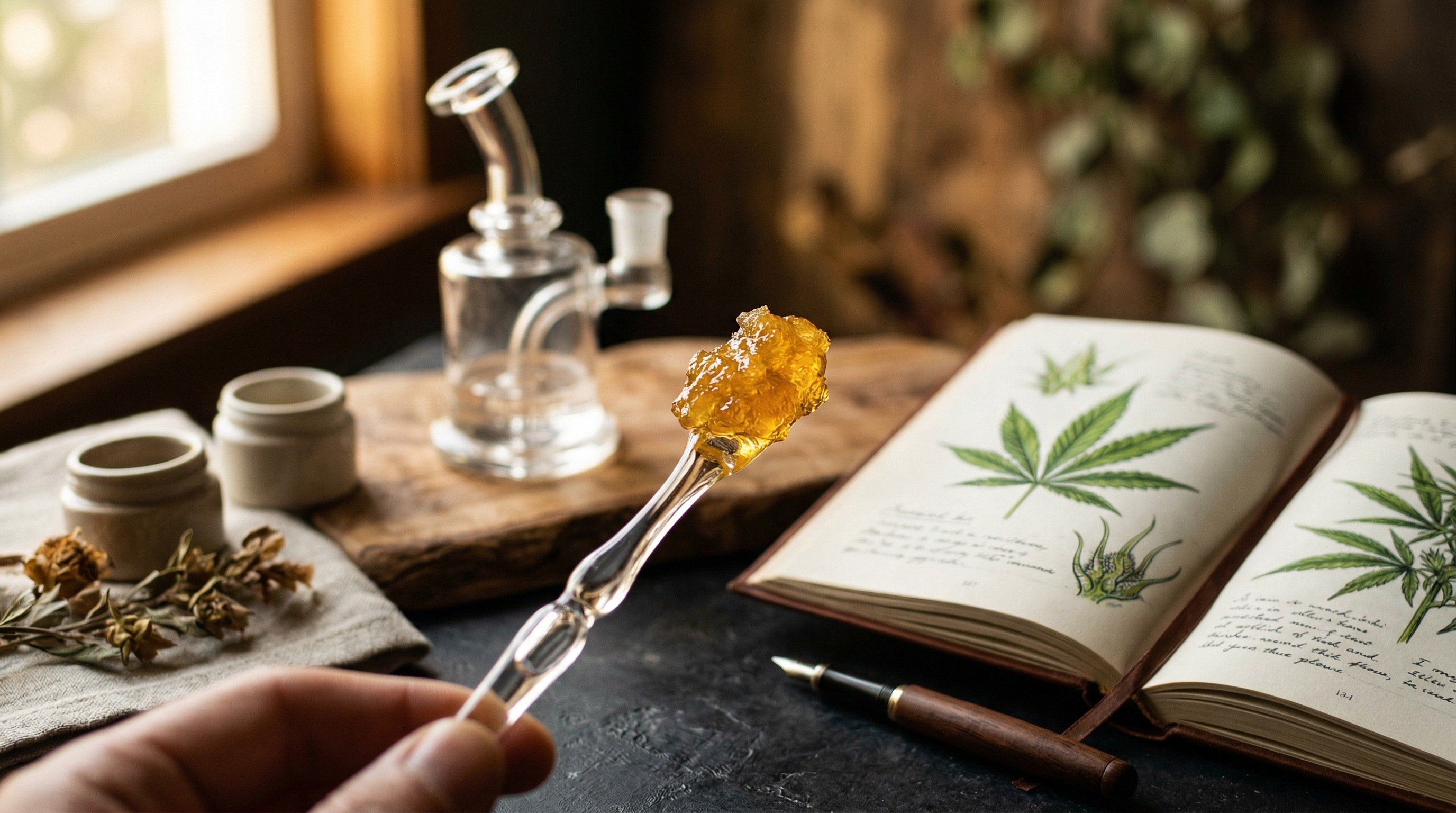
Concentrates are cannabis extracts refined to pack much more THC than flower. Common types include wax, shatter, live resin, rosin, and distillate. THC levels run from 60% to 90%+, compared to 15–30% in flower.
How They Work
Most concentrates are vaped—either with a dab rig (a water pipe with a heated nail) or a vape pen. Like flower, you feel it fast. But the much higher potency means it hits harder. Research shows vaping concentrates delivers 40–60% of THC to your blood—the highest of any method [Spindle, 2018].
Some forms, like distillate, can also go into edibles or be added to flower for a stronger hit (called “twaxing”). Full-spectrum types like live resin keep the full terpene profile intact, so you still get the entourage effect.
Pros
- Very strong—small amounts go a long way
- Fast onset when vaped
- Big flavor in full-spectrum types like live resin and rosin
- Cleaner inhale than burned flower (no plant material)
- Good value per dose even though the up-front price is higher
Cons
- Very high strength makes it easy to overdo for new users
- Learning curve—dab rigs and temp control take practice
- Higher up-front cost for good products and gear
- Tolerance creep—using strong stuff often can raise your tolerance fast
Ideal Use Cases
Concentrates are best for experienced users with a solid tolerance who want fast, strong effects. They’re also great for flavor chasers—live resin and live rosin keep the plant’s original terpene profile, letting you taste each High Family in pure form.
Head-to-Head Analysis
Effect Profile
Flower gives a balanced, full-plant feel. Edibles lean heavier and more body-focused thanks to how your liver processes THC [Grotenhermen, 2003]. Concentrates turn up the volume on whatever profile is there—an energizing extract feels very uplifting, while a relaxing strain as a concentrate may feel deeply calming.
Bioavailability
This is the biggest gap between methods. Concentrates send 40–60% of THC to your blood. Flower sends 10–35%. Edibles send just 4–20% [Huestis, 2007]. In plain terms: a 10mg edible might give your brain only 1–2mg of THC. Vaping that same 10mg as a concentrate could deliver 4–6mg. Our bioavailability guide has the full ranking.
Duration
This is where the three methods split the most. Flower and concentrates both last 1–3 hours, so they fit into a busy day. Edibles are a 4–8+ hour ride, which is a big plus or a big problem depending on your plans. For more, see our guide on how long a high lasts.
Accessibility
Flower wins for ease—buy it, grind it, smoke or vape it. Edibles need zero gear but require patience. Concentrates have the highest barrier to entry. You need special tools and some know-how.
Cost Considerations
Flower is the cheapest way to start. Edibles vary in price but give you a clear cost per dose. Concentrates cost more up front, but you use much less each time. For regular users, the per-dose cost can match flower.
The Verdict
Choose Flower If…
- You’re new to cannabis and want easy dose control
- You enjoy the social ritual of smoking or vaping
- You want to taste the full terpene profile of each strain
- You prefer short sessions that fit your schedule
Choose Edibles If…
- You need long-lasting effects for sleep, comfort, or long days
- You want a fully discreet option with no smoke or gear
- You have lung issues or don’t want to inhale
- You can start low and wait without getting antsy
Choose Concentrates If…
- You’re an experienced user with a solid tolerance
- You want fast, strong effects from small amounts
- You’re a flavor chaser who loves bold terpene profiles
- You’re ready to invest in special gear and learn the technique
Consider Mixing Methods If…
- You want edibles at night and flower when hanging out
- You use flower daily but want concentrates for a stronger hit sometimes
- You’re still exploring and want to try each method in different settings
Pro tip: Your best method may change with the situation. Many people keep flower for daily use, edibles for sleep or travel, and concentrates for special times. You don’t have to pick just one.
FAQs
Can I switch between methods safely?
Yes. Just know that strength and onset are very different between methods. If you’re used to flower and try a concentrate, start tiny. If you switch to edibles, respect the slow onset. Don’t take more too soon.
Which method is best for microdosing?
Edibles are the easiest to microdose. They come in set doses—look for 2.5mg or 5mg pieces. Flower also works with a one-hitter or small bowl. Concentrates are the hardest to microdose because they’re so strong.
Does the High Family change based on consumption method?
The terpenes and cannabinoids stay the same, but how your body handles them can shift the feel. An energetic strain may lean more body-heavy as an edible because of the 11-hydroxy-THC change. The High Family is your starting point—the method fine-tunes the trip.
What about vape cartridges—are those concentrates?
Yes. Vape carts hold distillate or live resin oil. They’re a much easier way into concentrates than dab rigs—cheaper, simpler, and more portable. See our vaporizer buyer’s guide for picks.
Key Takeaways
- Flower is the best place to start—fast onset, easy dose control, full flavor
- Edibles last the longest and are the most discreet, but need patience and careful dosing
- Concentrates pack the most punch and highest absorption, but suit experienced users best
- Absorption rates differ a lot: concentrates (40–60%) > flower (10–35%) > edibles (4–20%)
- There is no single “best” method—it depends on your experience, goals, and plans
- Start low, go slow applies to all three, especially when trying something new
Sources
- Huestis, M.A. (2007). “Human Cannabinoid Pharmacokinetics.” Chemistry & Biodiversity, 4(8), 1770–1804. PMID: 17712819
- Lucas, C.J., Galettis, P., Schneider, J. (2018). “The pharmacokinetics and the pharmacodynamics of cannabinoids.” British Journal of Clinical Pharmacology, 84(11), 2477–2482.
- Grotenhermen, F. (2003). “Pharmacokinetics and Pharmacodynamics of Cannabinoids.” Clinical Pharmacokinetics, 42(4), 327–360.
- Spindle, T.R., Cone, E.J., Schlienz, N.J. et al. (2018). “Acute Effects of Smoked and Vaporized Cannabis in Healthy Adults.” JAMA Network Open, 1(7), e184841.
- McGilveray, I.J. (2005). “Pharmacokinetics of Cannabinoids.” Pain Research and Management, 10(Suppl A), 15A–22A.


