Can You Smoke Weed on Antibiotics? Which Drugs Change THC Levels
Can you smoke weed on antibiotics? Most antibiotic labels list no cannabis interaction, but rifampin lowers THC and CBD. See what has actually been tested.

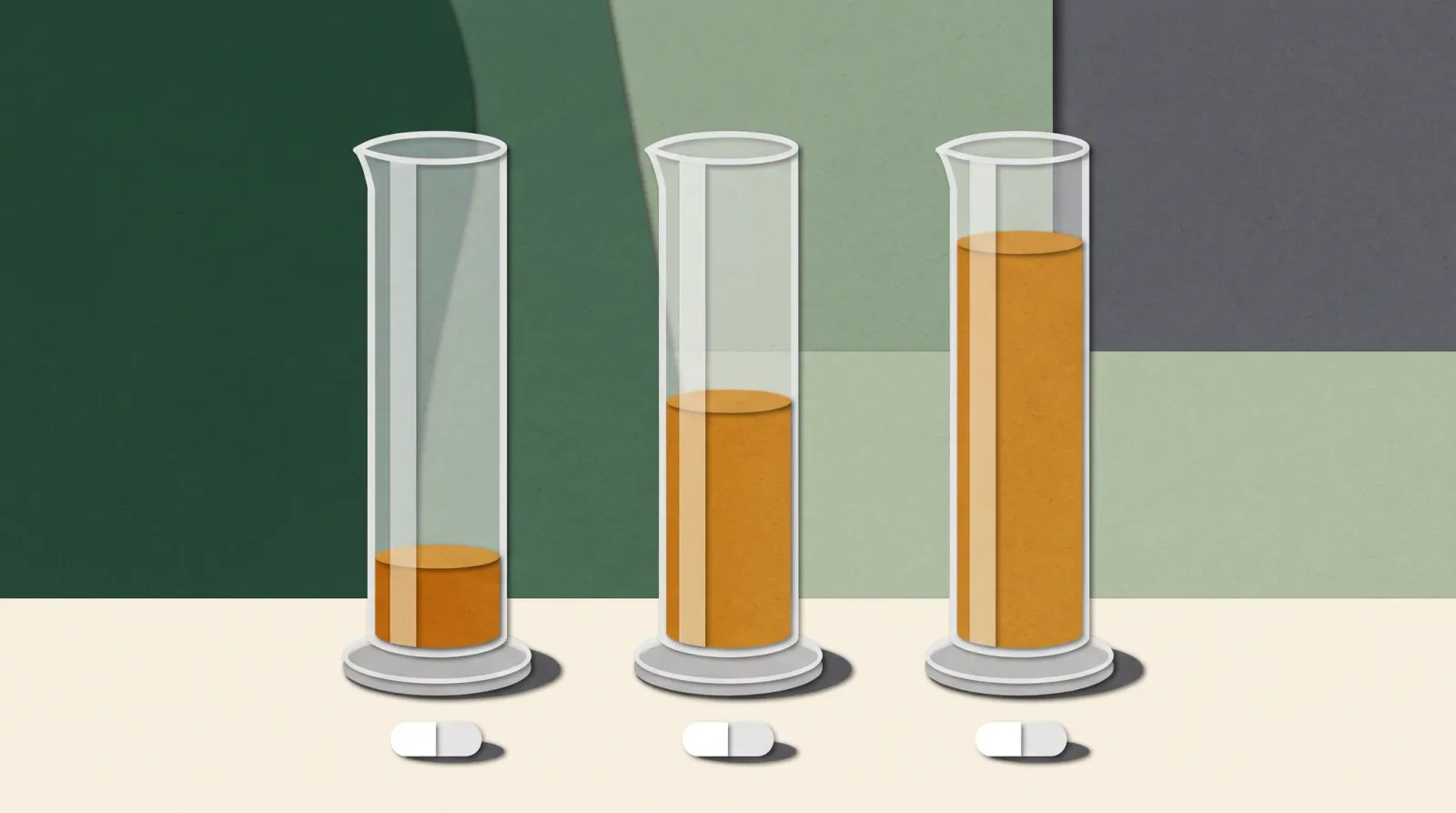
Most common antibiotics, including amoxicillin and azithromycin, list no cannabis or cannabinoid interaction on their FDA labels, but rifampin lowers THC and CBD levels, and clarithromycin belongs to an enzyme class that can raise them. Almost none of this has been tested with smoked or vaped cannabis. So the honest answer depends on which antibiotic is on your pharmacy label.
Here is the specific most pages skip. In a small human trial, the antibiotic rifampicin (the same drug as rifampin) cut exposure to 11-OH-THC, THC’s strongest breakdown product, by about 90%. A strong enzyme blocker from a different drug class pushed it up almost fourfold. Stott et al., 2013 That study used a mouth spray, not a joint, and only one antibiotic.
This lesson here in High School covers the antibiotic side of the story. For the general enzyme primer, start with how CBD and THC affect liver enzymes. This article is education, not medical advice. Never change, skip or delay an antibiotic dose to fit cannabis use.
Labels and studies checked October 29, 2026.
Is it one question or three?
It is three questions, and the evidence is different for each one.
- Does the antibiotic change your cannabinoid levels? This is where the only human data lives.
- Does cannabis change your antibiotic levels? No human study we found tests this for any antibiotic.
- Does smoke matter when your airways are already sick? This is about the smoke, not the drug pair.
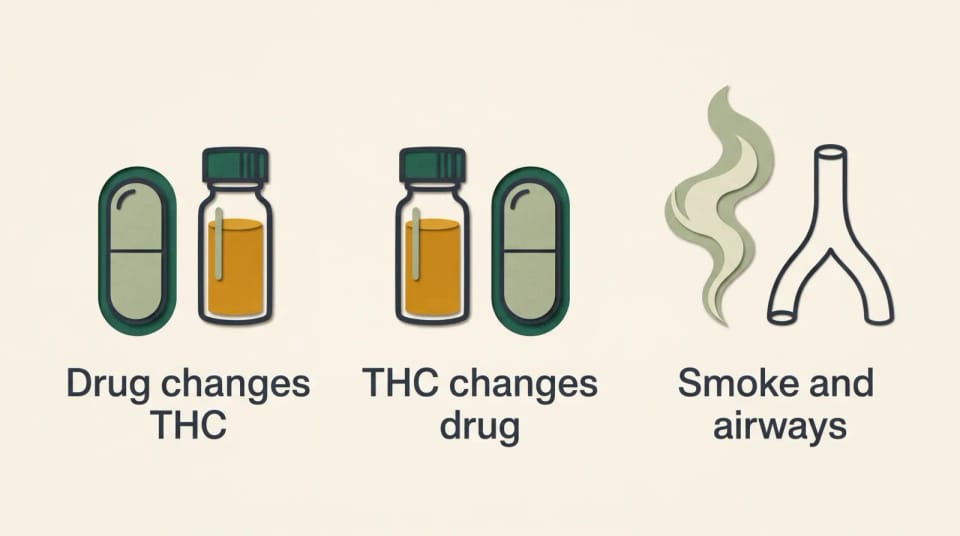
Three different questions hide inside one search. Only the first has direct human data, and only for one antibiotic.
Which antibiotics change THC and CBD levels?
Rifampin is the one with direct human evidence. The FDA lists it as a strong inducer of CYP3A and CYP2C19, the liver enzymes that clear many drugs. FDA interaction table Its own label says it affects CYP1A2, 2B6, 2C8, 2C9, 2C19 and 3A4 and can cause important interactions “across many drug classes”. Rifadin label
Two human studies measured what that does to cannabinoids:
- THC and CBD spray. In the Stott trial, 12 healthy men took rifampicin for 10 days, then four sprays of a THC/CBD mouth spray (10.8 mg THC, 10 mg CBD). Total exposure (AUC) fell to about 71% for THC, 38% for CBD and 10% for 11-OH-THC. Stott et al., 2013
- Prescription CBD. The Epidiolex label reports that rifampin lowered CBD exposure by 32% and its active metabolite 7-OH-CBD by 63%. The label says the effect on how well CBD works “is not known”. Epidiolex label
Lower exposure on paper does not tell you how a high will feel. The Stott trial gave one dose of a spray to healthy men, and the spray’s maker funded it. It did not test smoked, vaped or edible cannabis. The authors did conclude that THC, CBD and 11-OH-THC are cleared by CYP3A4, which is why the enzyme class of an antibiotic matters. Stott et al., 2013
Can an antibiotic raise THC levels?
In theory, yes, and clarithromycin is the antibiotic to know about. The FDA classes clarithromycin as a strong CYP3A inhibitor, and erythromycin as a moderate one. FDA interaction table A current FDA label for a clarithromycin-containing pack states that it “increases exposure of CYP3A substrates”. Clarithromycin pack label
Nobody has tested clarithromycin with cannabis. The closest data comes from ketoconazole, a strong CYP3A4 inhibitor in the same Stott trial. It raised total exposure 1.8-fold for THC, 2.7-fold for CBD and 3.8-fold for 11-OH-THC. Euphoric mood, lethargy and headache were reported more often with it. Stott et al., 2013
A 2023 review in a German medical journal makes the same class argument: strong CYP3A4 inhibitors such as clarithromycin “can” raise THC and 11-OH-THC. It also says the clinical importance is unclear. Herdegen and Cascorbi, 2023 That is a reasonable prediction, not a measured result. (One note for careful readers: that review reports the rifampicin numbers as increases. The primary study shows decreases, so the numbers in this article come from the primary study.)
Does weed interact with amoxicillin, azithromycin or ciprofloxacin?
Their labels list no cannabis interaction, but none of them has been tested with cannabis. Here is what each label actually says.
| Antibiotic | What its label or the FDA table says about enzymes | Tested with cannabinoids? | What that means in plain words |
|---|---|---|---|
| Rifampin (rifampicin) | Strong CYP3A and CYP2C19 inducer | Yes, two human studies | Lowers THC, CBD and especially 11-OH-THC |
| Clarithromycin | Strong CYP3A inhibitor | No | Could raise THC and CBD, by class reasoning |
| Erythromycin | Moderate CYP3A inhibitor | No | A weaker version of the clarithromycin question |
| Ciprofloxacin | Inhibits CYP1A2 | No | No study links it to cannabis |
| Amoxicillin-clavulanate | No enzyme item; 50% to 70% of amoxicillin leaves unchanged in urine | No | Enzyme interaction is not the main concern |
| Azithromycin | Label says its metabolism was never studied | No | The label neither flags nor clears an enzyme route |
Amoxicillin. The Augmentin label says about 50% to 70% of amoxicillin leaves the body unchanged in urine within six hours. Its interaction list names probenecid, blood thinners, allopurinol and birth control pills. Nothing about liver enzymes or cannabis appears. Augmentin label That makes an enzyme clash unlikely by mechanism, but it is still not a tested result.
Azithromycin. The Zithromax label lists nelfinavir, warfarin and a class caution, and says “no specific drug interaction studies have been performed” for some drugs. It also says studies of how azithromycin is metabolized “have not been performed”. Zithromax label So the label is silent, not reassuring.
Ciprofloxacin. The Cipro label calls it “an inhibitor of the hepatic CYP1A2 enzyme pathway” and warns about drugs that depend on that enzyme, such as tizanidine and theophylline. Cipro label The Epidiolex label lists CBD as a weak CYP1A2 inhibitor. Epidiolex label No study connects the two, so treat that as a question for your pharmacist, not a known interaction.
We did not review the current labels for doxycycline, metronidazole, cephalexin or sulfamethoxazole-trimethoprim for this lesson. Ask your pharmacist about those by name.
How does an antibiotic change THC levels?
It changes how fast your liver clears THC. CYP3A4 is one of the main enzymes that break down THC and CBD. An inducer like rifampin makes the liver produce more of that enzyme, so cannabinoids clear faster. An inhibitor like clarithromycin blocks the enzyme, so cannabinoids can build up. Stott et al., 2013
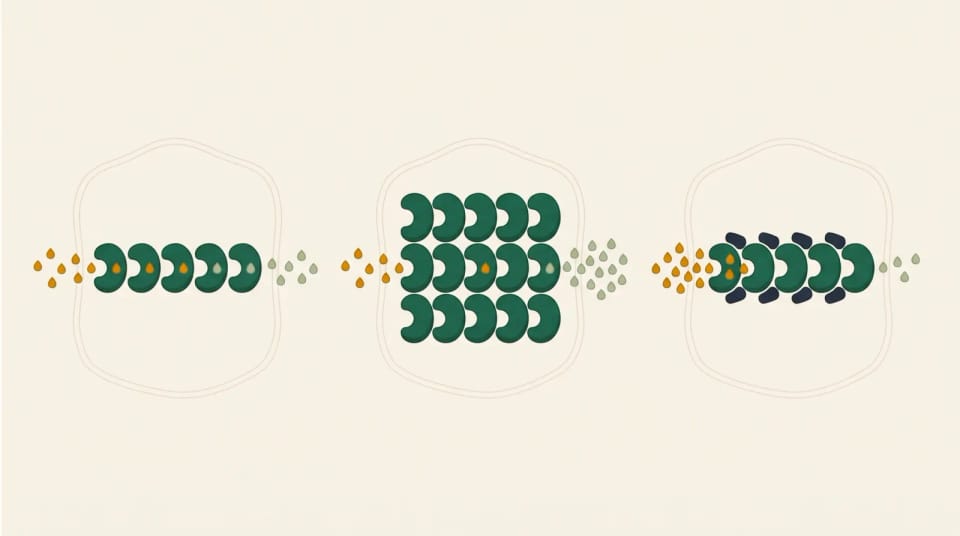
Inducers such as rifampin add enzyme capacity, so THC clears faster. Inhibitors such as clarithromycin block it, so THC can build up. No panel shows how a high feels.
The route matters too. Smoked and vaped THC reaches the blood through the lungs and skips the liver’s first pass, while edibles go through it first. That changes how much THC meets these enzymes early, but skipping the first pass does not mean no interaction, because the liver still clears THC later. Our lessons on how THC is absorbed and cleared, which routes avoid the liver’s first pass and how the route changes exposure cover what research suggests about each route.
Does weed make antibiotics less effective?
No study shows that. The idea comes from CBD’s effect on enzymes, not from any antibiotic test.
What the evidence does show:
- In a 2023 human study, a brownie with 640 mg CBD and 20 mg THC raised levels of a CYP3A test drug by 56%. A THC-only brownie with 20 mg THC changed none of the five enzymes tested. No antibiotic was included. Bansal et al., 2023
- Lab models had predicted a far bigger CYP3A effect for high-dose oral CBD, about 14.8-fold. Bansal et al., 2022 The real-world 56% shows how far lab predictions can overshoot.
- In human liver cells, CBD and THC raised CYP3A4 activity in some donors after repeated exposure, so the direction may change with regular use. Balhara et al., 2025
A 2024 systematic review of real-world cannabis interaction reports found cases with warfarin, valproate, tacrolimus and others. Its scope covered drugs with a narrow safety margin, and it contained no antibiotic reports. Nachnani et al., 2024 That absence is not proof of safety; antibiotics were simply outside its search.
If you take prescription CBD, tell your prescriber. Its label reports liver-enzyme rises in some trial patients at prescription doses. Epidiolex label Our CBD and liver blood tests in trials lesson explains those numbers. No study tests that signal together with an antibiotic.
Can you smoke weed with a chest or throat infection?
That is a smoke question, and it is separate from the drug question. Regular cannabis smoking is linked to more cough, sputum and wheeze. A 2018 meta-analysis found about twice the risk of cough in prospective studies, with low-strength evidence. Ghasemiesfe et al., 2018 A 2024 review describes cannabis smoke as an irritant to the airways. Khoj et al., 2024
Infection data is mixed. One cohort found no pneumonia link in HIV-negative men. Quint et al., 2020 An Ontario cohort found no difference in respiratory hospital visits. Vozoris et al., 2022 A health-records study of heavier users found higher pneumonia odds. Winhusen et al., 2019 No study we found tests whether smoking changes recovery during an antibiotic course. For background, read smoke and lung health research and why a hit makes you cough.
One more myth to clear up: lab studies of cannabinoids that kill bacteria in a dish do not show that cannabis works as a treatment for an infection. Those are lab studies of cannabinoids against bacteria, not medicine for a person. For how cannabinoids touch the immune system, see cannabis and immune function.
What should you ask your pharmacist?
Bring specifics. A pharmacist can check the exact pair in minutes, but only with the right details.
- Name the antibiotic exactly. Read the generic name and strength from the pharmacy label.
- Describe the cannabis product. Note the type, the route (smoked, vaped, edible, oil or spray) and the milligrams of THC and CBD on the label.
- Describe how often you use it. Include any prescription CBD.
- List your other medicines. An interaction can involve a third drug.
- Ask the specific question. Ask whether this antibiotic changes cannabinoid levels and whether anything you take changes the antibiotic. Then follow the advice you get.
If you log sessions in the High IQ app, your notes on product, amount and how a strain worked can help you answer those questions accurately.
When to talk to a clinician: contact your prescriber or seek care if your infection symptoms get worse or do not improve as expected, if you have trouble breathing or chest pain, or if a high feels much stronger or lasts much longer than usual while you take a new medicine. Never stop an antibiotic early on your own.
Key takeaways
- The answer depends on the antibiotic. Rifampin lowers THC and CBD in human studies.
- Clarithromycin and erythromycin block CYP3A, so they could raise THC, but nobody has tested it.
- Amoxicillin, azithromycin and ciprofloxacin labels list no cannabis interaction, and none has been tested with cannabis.
- No study shows that cannabis makes antibiotics less effective.
- Smoke on sick airways is a separate question with mixed evidence.
- Bring the antibiotic name, product, route and milligrams to your pharmacist.
FAQ
Can you mix weed and antibiotics?
For most common antibiotics, no label lists a cannabis interaction, but almost none has been tested with cannabis. Rifampin is the clear exception: it lowers THC and CBD levels. Clarithromycin could raise them by class reasoning. Ask your pharmacist about your exact antibiotic.
Does weed interact with amoxicillin?
The amoxicillin-clavulanate label lists no cannabis or liver-enzyme interaction, and most amoxicillin leaves the body unchanged in urine. That makes an enzyme clash unlikely by mechanism. No study has tested the pair directly.
Does CBD interact with antibiotics?
Rifampin lowered prescription CBD exposure by about a third in a label study. CBD itself can block some liver enzymes, especially at high oral doses, but no study tests CBD with a specific antibiotic. If you use prescription CBD, tell the doctor who prescribes your antibiotic.
Do antibiotics make you higher?
Most do not, as far as anyone has measured. A strong CYP3A4 blocker raised THC levels in a trial, and people reported euphoric mood more often, but that drug was not an antibiotic. Clarithromycin is in the same enzyme class, so the possibility exists, untested.
Can weed make antibiotic side effects worse?
No study tests that for any antibiotic. Both cannabis and some antibiotics have their own side effects, and prescription CBD can raise liver enzymes at high doses. Report any new or unusual symptoms to your prescriber.
Sources
- Stott C, White L, Wright S, Wilbraham D, Guy G. (2013). A Phase I, open-label, randomized, crossover study in three parallel groups to evaluate the effect of Rifampicin, Ketoconazole, and Omeprazole on the pharmacokinetics of THC/CBD oromucosal spray in healthy volunteers. SpringerPlus, 2, 236. DOI
- US Food and Drug Administration. EPIDIOLEX (cannabidiol) prescribing information, revised 05/2026. FDA label
- US Food and Drug Administration. Drug Development and Drug Interactions: Table of Substrates, Inhibitors and Inducers. FDA
- US Food and Drug Administration. RIFADIN (rifampin) prescribing information, revised December 2025. FDA label
- US Food and Drug Administration. VOQUEZNA TRIPLE PAK (includes clarithromycin) prescribing information, revised 6/2025. FDA label
- US Food and Drug Administration. AUGMENTIN (amoxicillin/clavulanate potassium) prescribing information, revised 5/2024. FDA label
- US Food and Drug Administration. ZITHROMAX (azithromycin) prescribing information, revised 11/2021. FDA label
- US Food and Drug Administration. CIPRO (ciprofloxacin) prescribing information. FDA label
- Bansal S, Zamarripa CA, Spindle TR, et al. (2023). Evaluation of Cytochrome P450-Mediated Cannabinoid-Drug Interactions in Healthy Adult Participants. Clinical Pharmacology and Therapeutics, 114(3), 693-703. PubMed
- Bansal S, Paine MF, Unadkat JD. (2022). Comprehensive Predictions of Cytochrome P450-Mediated In Vivo Cannabinoid-Drug Interactions Based on Reversible and Time-Dependent P450 Inhibition in Human Liver Microsomes. Drug Metabolism and Disposition, 50(4), 351-360. PubMed
- Balhara A, Tsang YP, Unadkat JD. (2025). Cannabidiol and delta-9-tetrahydrocannabinol induce drug-metabolizing enzymes, but not transporters, in human hepatocytes. Drug Metabolism and Disposition, 53(2), 100037. PubMed
- Herdegen T, Cascorbi I. (2023). Drug Interactions of Tetrahydrocannabinol and Cannabidiol in Cannabinoid Drugs. Deutsches Arzteblatt International, 120(49), 833-840. DOI
- Nachnani R, Knehans A, Neighbors JD, et al. (2024). Systematic review of drug-drug interactions of delta-9-tetrahydrocannabinol, cannabidiol, and Cannabis. Frontiers in Pharmacology, 15, 1282831. DOI
- Ghasemiesfe M, Ravi D, Vali M, et al. (2018). Marijuana Use, Respiratory Symptoms, and Pulmonary Function: A Systematic Review and Meta-analysis. Annals of Internal Medicine, 169(2), 106-115. DOI
- Khoj L, Zaga V, Amram DL, et al. (2024). Effects of cannabis smoking on the respiratory system: A state-of-the-art review. Respiratory Medicine, 221, 107494. PubMed
- Quint JJ, Tashkin DP, McKay HS, et al. (2020). Marijuana use and pneumonia risk in a cohort of HIV-infected and HIV-uninfected men. Annals of Epidemiology, 52, 64-70. PubMed
- Vozoris NT, Zhu J, Ryan CM, et al. (2022). Cannabis use and risks of respiratory and all-cause morbidity and mortality: a population-based, data-linkage, cohort study. BMJ Open Respiratory Research, 9(1), e001216. PubMed
- Winhusen T, Theobald J, Kaelber DC, Lewis D. (2019). Regular cannabis use, with and without tobacco co-use, is associated with respiratory disease. Drug and Alcohol Dependence, 204, 107557. PubMed





